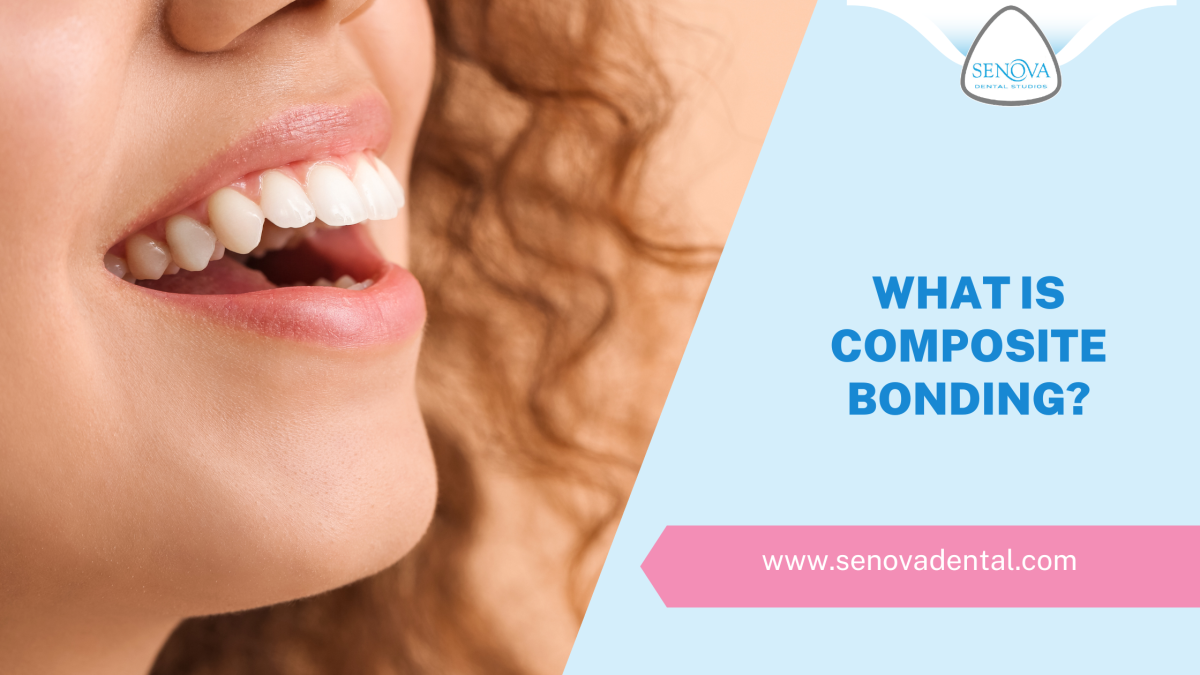
Did you know that one-third of young British adults had undergone a cosmetic dental procedure in 2023 alone? This number is rising each year, with composite bonding being among the most sought-after cosmetic treatments. While dental bonding is becoming more popular every day, many people consider it a harmful procedure that can ruin their teeth. But does cosmetic bonding actually ruin the teeth? Let’s find out in this blog.
What Is Cosmetic Bonding?
According to the British Academy of Cosmetic Dentistry, composite bonding is an aesthetic dental procedure in which your dentist will use a tooth-coloured filling material to restore the structure and aesthetics of grossly damaged teeth. Bonding is a minimally invasive procedure that requires no or minimal removal of the natural tooth structure. This is why it is preferred over other cosmetic procedures, such as crowns and veneers, that require extensive healthy tooth removal.
What Is The Procedure For Dental Bonding?
The procedure for dental bonding is straightforward. First, your dentist will remove the damaged tooth structure. Next, they will wash the tooth and dry it. Afterwards, they will apply an etchant over the tooth surface. The etchant creates micropores on the tooth surface that help in bonding. The etchant is washed away after 30 seconds, and the tooth is again dried.
Next, your dentist will apply the tooth-coloured bonding agent in small increments. Each increment is hardened using a special light. This way, your dentist will restore the structure of the tooth using incremental bonding. Once the desired tooth shape is achieved, your dentist will polish the filling to optimise the aesthetics.
That’s it! You’re now the owner of a brand-new smile with composite bonding.
How Composite Bonding Can Enhance Your Appearance?
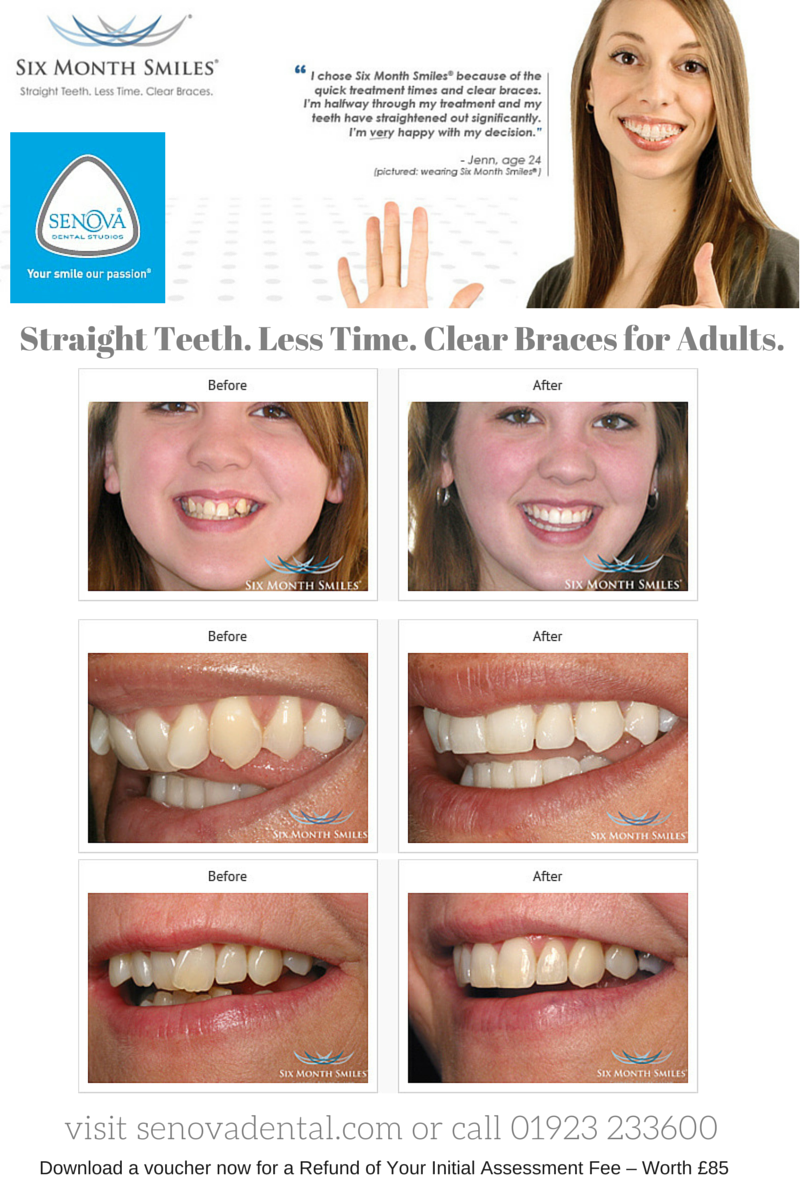
Composite bonding uses a tooth-coloured filling material to restore the teeth. Hence, the restored teeth have excellent aesthetics, and they become virtually indistinguishable from the natural ones. This is the reason why many dentists use composite bonding for smile makeovers.
Is Cosmetic Dental Bonding Worth It For A Perfect Smile?
Yes, cosmetic bonding is an excellent option for achieving the perfect smile. First, dental bonding is a minimally invasive procedure. This means that your dentist doesn’t need to remove a lot of healthy tooth structure to place the filling. Instead, they will only remove the damaged portion, leaving behind a significant amount of healthy tooth structure to support the filling.
Secondly, composite bonding provides excellent aesthetics and is highly effective for complete smile makeovers. Most importantly, dental bonding is a cost-effective yet comparable alternative to other cosmetic procedures such as veneers and porcelain crowns.
Does Composite Bonding Ruin Your Natural Teeth?
Composite bonding will not ruin your natural teeth, provided a qualified dentist performs the procedure. Moreove, the material used for composite bonding is known to be safe and doesn’t carry the risk of adverse effects or allergic reactions. So, as long as you get the procedure done from an experienced dentist who uses high-quality materials, bonding won’t damage your teeth.
Can Cosmetic Dental Bonding Fix Gaps Between Teeth?
Did you know that composite bonding can also be used to cosmetically fill in gaps between the teeth? While dental braces are the most effective method to eliminate tooth gaps, your dentist can also use cosmetic bonding for this purpose. However, bonding will only eliminate the aesthetic issue and not address the underlying problem of excessive tooth gaps.
Should I Get Dental Veneers Or Dental Bonding?
Both veneers and bonding are used for enhancing facial aesthetics. However, if you’re looking for a cost-effective and minimally invasive treatment option, you should consider dental bonding. Conversely, if your priority is to maximise the aesthetic outcome of your treatment, you may consider porcelain veneers.
What Is The Age Limit For Composite Bonding?
There is no age limit for getting your smile revamped with dental bonding. Whether you’re sixteen or sixty, you are a candidate for teeth bonding if you have crooked, chipped, or stained teeth. So don’t worry about your age, and get your teeth restored with cosmetic bonding today.
How Safe Is Dental Composite Bonding?
Many people wonder whether dental bonding is a safe treatment option. The answer is that this treatment option is safe and does not carry any adverse effects, provided an experienced and qualified dentist performs the procedures. More importantly, the dentist should use high-quality materials to ensure there are no adverse effects to the treatment.
Can Cosmetic Bonding Ruin My Teeth?
According to the Cleveland Clinic, cosmetic bonding is a minimally invasive procedure. This means that your dentist will remove a very thin layer of the healthy tooth structure to place the filling. Therefore, this procedure won’t damage your teeth. However, cosmetic bonding can ruin your teeth if the procedure is performed by a novice dentist. So, it is advisable to visit an experienced dentist for all cosmetic dentistry procedures.
Is Dental Bonding Permanent?
The life of cosmetic bonding depends on various factors, such as the quality of the material used, the dentist’s skill and experience, and patient-related factors such as oral hygiene care and regular dental checkups. However, you can expect your bonded fillings to last more than 10 years if looked after properly.
If you are looking for the best dental practice in Watford for cosmetic dentistry procedures such as bonding, you should consider visiting Senova Dental Studios. We have a team of highly qualified cosmetic dentistry specialists who will take care of all your general and aesthetic dental needs. Download a voucher now for a refund of your initial assessment fee-worth £85, and let us give you a smile you genuinely deserve.

- Fact Vs. Myth: Composite Bonding Ruined My Teeth? - January 4, 2026
- 5 Hours in surgery and a Few Weeks of Mashed Vegetables But This Lady’s Implants Were Totally Worth It - December 17, 2014
- Cleaning your teeth with an electric tooth brush - February 26, 2014